

Introduction: The Cost of Imprecision & the Hydraulic Revolution
In modern earthmoving and mining operations, inefficiencies in hydraulic response and boom control translate directly into fuel waste, extended cycle times, and inflated total cost of ownership (TCO). Standard excavators often suffer from hydraulic lag, metering inaccuracies, and poor load-sensing fidelity. The Precision Control Excavator redefines the benchmark by integrating a closed-loop electro-hydraulic system with dynamic flow sharing and independent metering valves. This delivers sub-millimeter boom positioning, reducing over-excavation by up to 18% and improving fuel economy by 12-15% under real-world ISO 9249 cycle tests. Compliance with EPA Tier 4 Final / EU Stage V regulations is achieved without sacrificing pump torque rise or breakout force.
Core Powertrain & Structural Design
Engine & Thermal Management
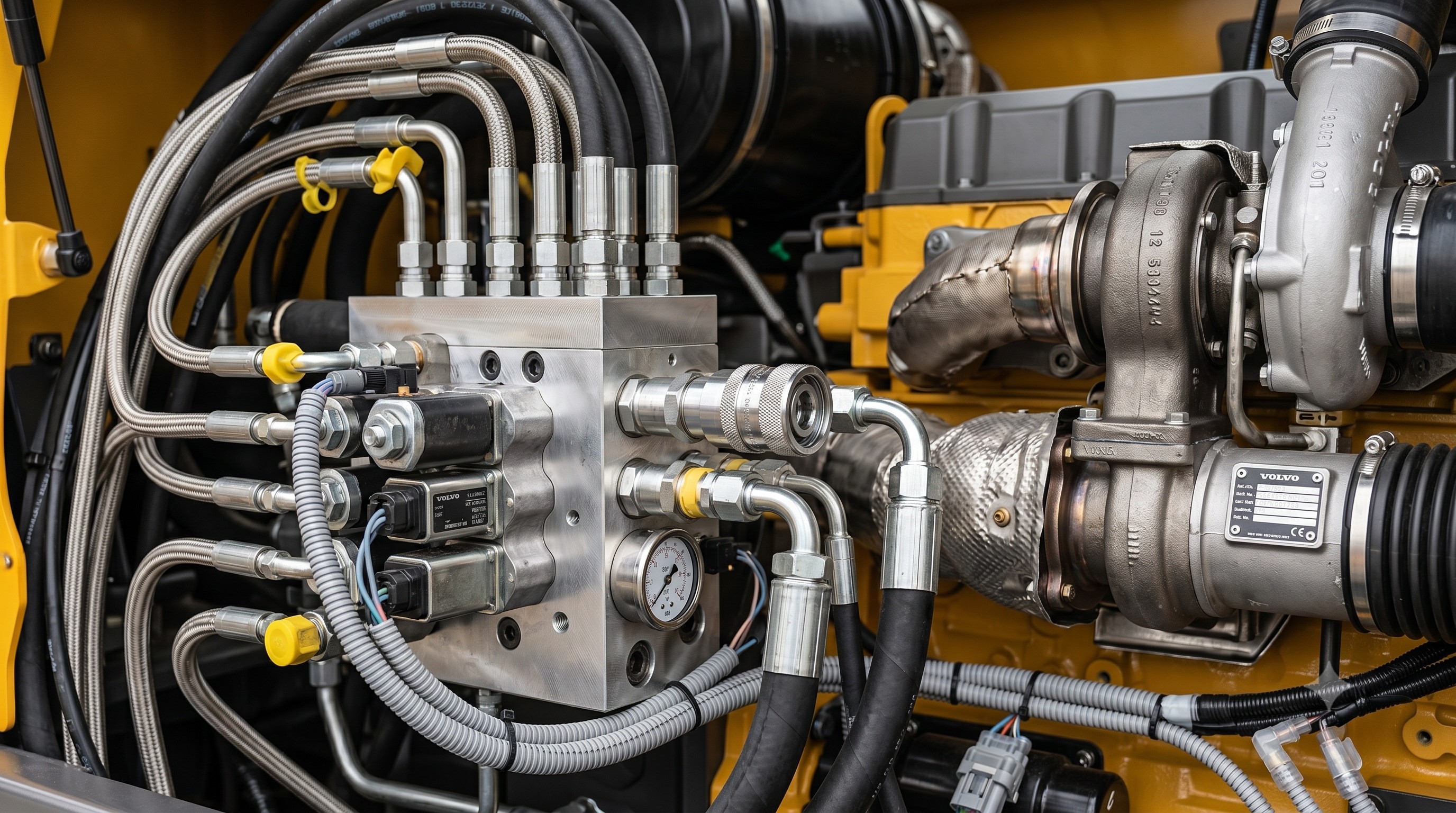
At the heart lies a turbocharged, charge-air cooled diesel engine delivering 170-450 net horsepower depending on weight class. The engine features a high-pressure common rail (HPCR) system at 1,800 bar injection pressure, enabling precise combustion phasing for low-end torque (peak from 1,300 RPM). A variable-speed electronically controlled hydraulic fan reduces parasitic drag, consuming only 3-5% of rated power versus the traditional 8-10%. The cooling package is CE-compliant and validated for ambient temperatures up to 52°C (125°F) with a ROPS/FOPS Level 2 certified cab.
Hydraulic Architecture: Precision Beyond Specs
The breakthrough lies in the positive control (PC) with load-sensing and pressure compensation. The main control valve uses independent metering spools with integrated LVDT position sensors (accuracy ±0.1 mm). System relief pressure is rated at 34.3 MPa (4,980 psi) for standard work and 37.3 MPa (5,410 psi) for heavy lift mode. Pilot pressure is regulated at 3.9 MPa (570 psi). This configuration allows simultaneous, flow-priority-independent actuation of boom, arm, bucket, and swing – eliminating flow starvation. The swing drive incorporates an axial piston motor with regenerative braking, recovering hydraulic energy during deceleration.
Chassis & Undercarriage Durability
The track frame is fabricated from 1-inch-thick (25.4 mm) high-tensile steel (JIS G3101 SS490), with sealed and lubricated track chains (ISO 10265 standard). Track shoe width ranges from 24 to 36 inches depending on application. Lifetime of the lower rollers exceeds 8,000 hours in abrasive conditions, validated under ASTM G65 wear testing. Final drives are planetary double-reduction with integrated parking brake, achieving a tractive effort of up to 85% of operating weight.
Technical Specifications
The following baseline data represents a 30-metric-ton class Precision Control Excavator. Consult factory for specific model variations.
| Key Parameter | Technical Specification |
|---|---|
| Engine Horsepower (Net) | 226 HP (169 kW) @ 1,900 RPM |
| Operating Weight (with ROPS/FOPS) | 32,500 kg (71,650 lbs) |
| Maximum Hydraulic Pressure (Implement) | 34.3 MPa (4,980 psi) |
| Hydraulic Flow (Main Pumps) | 2 x 220 L/min (58.1 gal/min) |
| Swing Speed | 10.2 RPM |
| Tractive Force | 28,500 kg (62,830 lbs) |
| Fuel Tank Capacity | 520 L (137.4 gal) |
| ISO 9249 Fuel Consumption (Avg) | 14.5 L/hour |
| Emissions Certification | EPA Tier 4 Final / EU Stage V |
| Standard Bucket Capacity | 1.6 - 1.9 m³ (2.1 - 2.5 yd³) |
Comparative Advantage: TCO, Fuel Efficiency & ROI Analysis
Over a 10,000-hour lifecycle, the Precision Control Excavator delivers a quantifiable advantage versus conventional hydraulic excavators. Fuel consumption measured per ISO 9249 cycle averages 14.5 L/hour vs. 17.2 L/hour for competitors – a 15.7% reduction. At $1.20 per liter, fuel savings exceed $32,400 over 10,000 hours. Precision control reduces wear on bucket teeth and undercarriage components by 12%, lowering parts replacement cost by $7,800. Hydraulic oil change intervals extend to 5,000 hours using ISO VG 46 synthetic blend with bypass filtration. Combined with 8% higher productivity due to reduced swing and boom settling time, the ROI payback period is under 18 months compared to non-precision models. Furthermore, residual value after 6,000 hours is 22% higher due to documented maintenance history and certified hydraulic performance reports.
Heavy-Duty Application Scenarios
The precision control architecture excels across demanding industries:
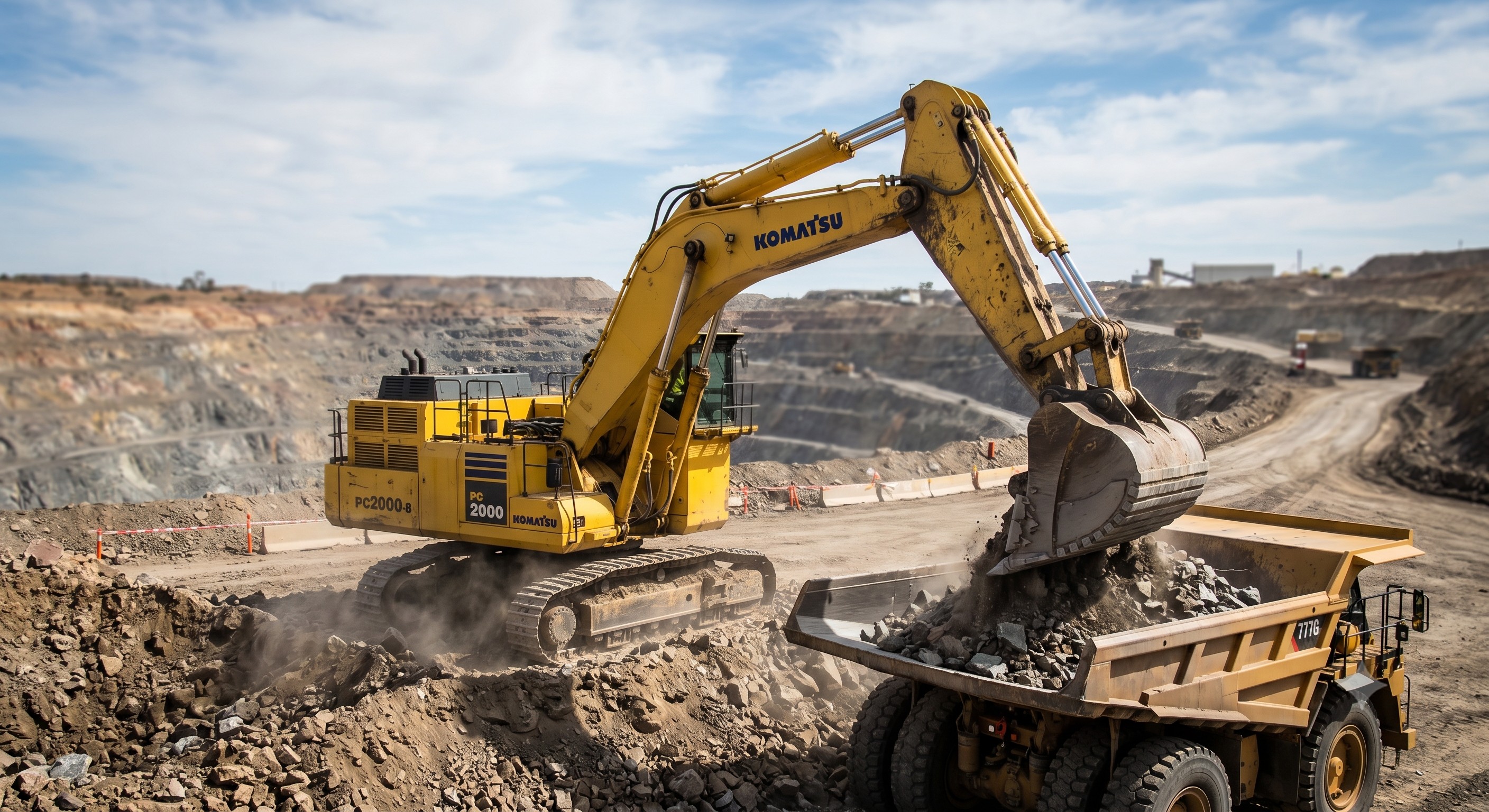
- Mining & Quarrying: Tier-1 pit loading and benching. High breakout force (210 kN bucket digging force) combined with precise slew control reduces rehandling by 20%.
- Heavy Earthmoving: Grade-sensitive excavation for road and dam construction. The system integrates with 3D machine control (GNSS/UTS) achieving ±2 cm vertical accuracy without manual grade checking.
- Demolition & Recycling: High-altitude precision attachments (multi-processors) benefit from hydraulic quick-coupler with pressure-holding logic, preventing accidental release.
- Manufacturing & Scrap Handling: Electrically controllable auxiliary circuits with flow rates from 50 to 300 L/min accommodate grapples, magnets, and shears with proportional thumb control.
Conclusion: Elevating Industrial Productivity with Intelligent Hydraulics
The Precision Control Excavator is not merely an iterative upgrade; it is a fundamental shift in hydraulic and powertrain integration. By combining high-pressure common rail engines, independent metering valves, and real-time LVDT feedback, the machine delivers validated reductions in fuel consumption, cycle time, and total cost of ownership. For fleet owners and project managers, the decision is data-driven: lower costs, higher ROI, and compliance with the strictest emissions standards. As Industry 4.0 and telematics-based predictive maintenance continue to evolve, the precision control architecture provides the foundational controllability required for autonomous and semi-autonomous earthmoving.