

Overview
As a critical piece of equipment for construction, agriculture, and industrial applications, the 2 ton skid steer loader offers a balance of power and maneuverability. This FAQ guide provides definitive answers for B2B procurement and fleet managers, addressing key pre-sales specifications and post-sales maintenance protocols to ensure optimal performance and return on investment.
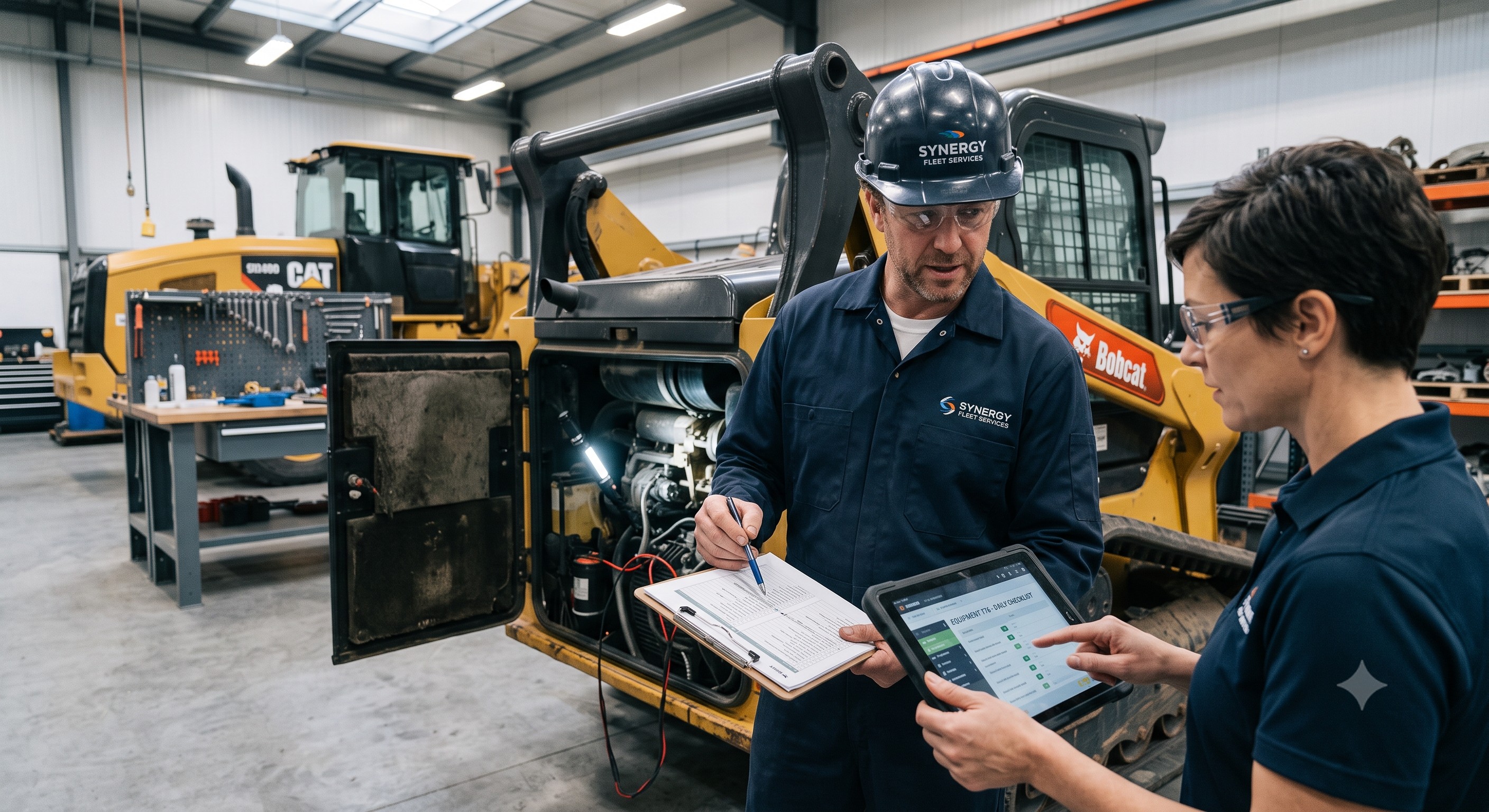
Frequently Asked Questions
Q1: What is the standard operating capacity of a 2 ton skid steer loader?
The standard operating capacity of a 2 ton skid steer loader is precisely 2 tons (2,000 kg or approximately 4,400 lbs). This metric, often verified by ISO 10294 standards, defines the maximum payload the machine can safely handle under normal operating conditions . For planning purposes, this capacity makes it ideal for medium-scale material handling, excavation, and grading tasks, but it is crucial to consult the specific model's load chart as advanced models may offer capacities up to 2.5 or even 3 tons with enhanced engines and counterweights .
Q2: What are the standard maintenance intervals for a 2 ton skid steer loader?
The standard maintenance intervals are based on daily, weekly, and hourly schedules, with a major service typically every 2,000 hours. Daily checks before operation should include lubricating grease fittings, checking all fluid levels, inspecting the fan tension and condition, and draining the water separator . A more comprehensive service is generally required every 250 to 500 hours, involving hydraulic fluid and filter changes, while the 5-year or 2,000-hour mark often constitutes a major overhaul of critical components like the hydraulic system .
Q3: What engine emissions standards should I look for in a 2 ton skid steer loader?
You should look for a 2 ton skid steer loader that is certified to meet EPA Tier 4 or EU Stage V (EURO5) emission standards for compliance in regulated areas. These engines use advanced technology to reduce NOx and particulate matter by up to 80% compared to older models, making them suitable for urban construction and eco-sensitive zones . While Tier 4 engines may require Diesel Exhaust Fluid (DEF), they are often necessary for meeting local environmental regulations and avoiding fines .
Q4: What attachments are compatible with a 2 ton skid steer loader?
A 2 ton skid steer loader is compatible with a wide range of attachments, including buckets, forks, augers, grapples, and snow plows, thanks to a universal quick-attach mounting system. The machine's high-pressure hydraulic system allows for precise control of these tools, enabling it to perform tasks ranging from digging and grading to material transport and landscaping . For maximum versatility, look for models that support at least 5-7 different attachment types to eliminate the need for multiple specialized machines on a job site .
Q5: When should I replace the hydraulic fluid in my 2 ton skid steer loader?
You should replace the hydraulic fluid in your 2 ton skid steer loader based on the manufacturer's schedule, which is often every 1,000 hours of operation or annually. This interval is critical as the hydraulic system is the lifeblood of the machine, enabling attachment operation and lifting functions . Always use the manufacturer-recommended grade of hydraulic fluid, and be sure to replace the hydraulic filter simultaneously to prevent contamination and system failure .
Q6: What is the best mobility option: wheels or tracks for a 2 ton skid steer?
The best mobility option depends on your primary terrain: wheeled loaders offer faster speeds and greater maneuverability on paved surfaces, while tracked loaders provide superior traction and stability on soft, muddy, or uneven ground. Wheeled models are often more cost-effective for general construction, but tracked variants reduce ground pressure by up to 20%, preventing soil compaction in agricultural or landscaping applications . If your fleet works on diverse sites, consider a model that offers both wheel and track configurations .
Q7: What are the critical safety and lifting procedures for maintaining a 2 ton skid steer?
The most critical safety procedure is to never perform service under a raised bucket or an unsupported machine; always use appropriate jack stands and support devices. It is also essential to engage the parking brake, lower the attachment to the ground, and shut off the engine before performing any maintenance . Never work on the machine alone; a two-person rule should be enforced for tasks involving lifting the equipment, and all operators must follow the manufacturer's pre-start checklist to inspect safety devices like ROPS, seat belts, and control interlocks .
Q8: What should I look for when buying a used 2 ton skid steer loader?
When buying a used 2 ton skid steer loader, you should primarily check the engine hours, overall condition, and complete service history. Inspect for visible wear, fluid leaks, and damage to the undercarriage and attachment plates . Verify that all controls and safety devices are functional, and if possible, request a maintenance log to ensure that critical services like hydraulic fluid changes were performed on schedule .